
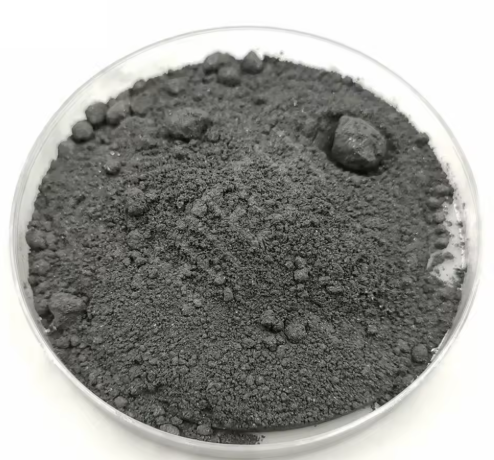
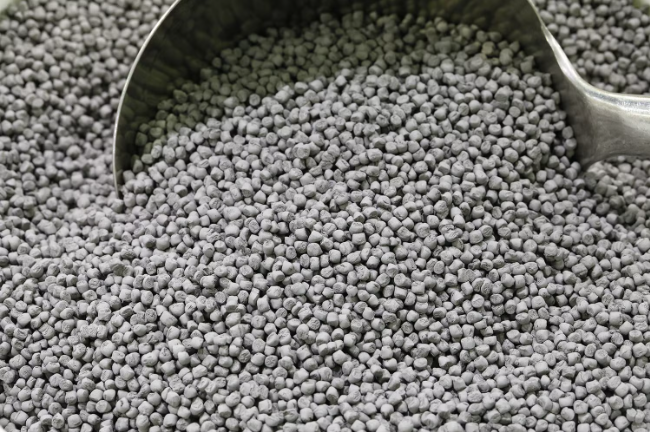
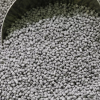
Metal Injection Molding (MIM) is an advanced manufacturing technology that combines fine metal powders with a binder material to create a feedstock. This feedstock is then injected into a mold cavity to form the desired component shape. After molding, the part undergoes a sintering process, during which heat is applied to remove the binder and densify the metal structure, resulting in a strong, durable, and near fully dense metal component.
MIM is particularly suitable for producing small to medium-sized components with complex geometries and thin walls, which can be as thin as approximately 1 mm. The high precision of the process makes it ideal for manufacturing intricate parts that would be difficult, costly, or impossible to produce using conventional metalworking methods.
Metal Injection Molding is widely used in industries such as automotive, medical, electronics, and firearms manufacturing. In the automotive sector, MIM is commonly used to produce gears and valves. In the medical field, surgical instruments benefit from the process's exceptional precision and consistency. Electronics manufacturers utilize MIM for components such as connectors, while firearm manufacturers employ the technology to produce small, high-precision metal parts.
Key Benefits of Metal Injection Molding (MIM)
- High Precision:
Metal Injection Molding delivers exceptional dimensional accuracy, making it ideal for producing components with intricate designs and tight tolerances. The high precision minimizes the need for secondary machining operations and helps ensure compliance with stringent quality requirements. - Complex Geometries:
MIM enables the production of highly complex shapes that are difficult or impossible to manufacture using traditional methods such as casting or machining. The process can create intricate internal features, detailed geometries, and thin-wall structures with excellent consistency. - Cost-Effective for High-Volume Production:
MIM is particularly economical for large-scale production of small to medium-sized components. The process reduces material waste and lowers manufacturing costs compared to many conventional metal fabrication methods. - Material Versatility:
Metal Injection Molding can utilize a wide range of metal powders, including stainless steels, carbon steels, low-alloy steels, tool steels, titanium alloys, and other specialty materials. This flexibility allows manufacturers to select materials that best meet specific mechanical, thermal, and corrosion-resistance requirements. - Reduced Production Lead Time:
The MIM process shortens production lead times for small and complex components by minimizing secondary operations and post-processing requirements. Since parts are produced in a near-net-shape form, the time from design to finished product can be significantly reduced. - Enhanced Strength and Reliability:
MIM components achieve high density and excellent mechanical properties, including high strength, wear resistance, and corrosion resistance. These characteristics make MIM particularly well suited for demanding applications in the automotive, medical, electronics, and industrial sectors.
Reviews
There are no reviews yet.